


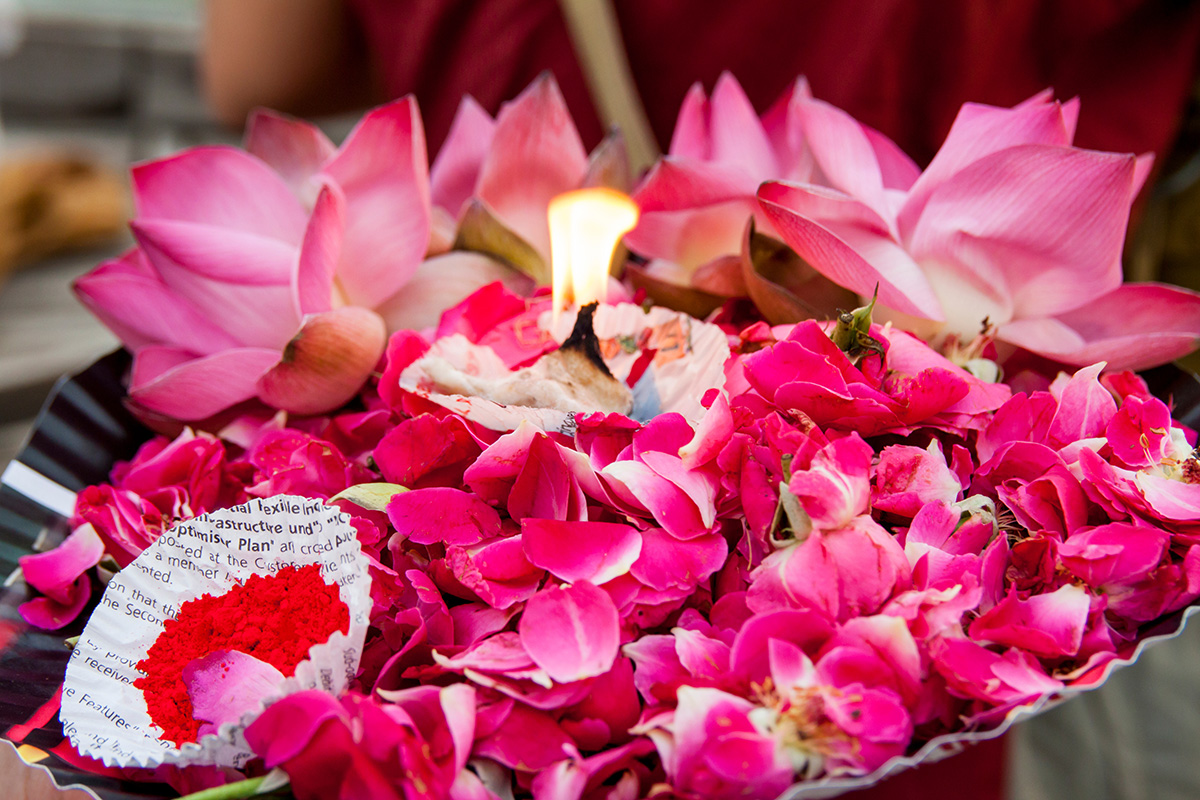
For Hindu families in New Hampshire and Vermont, planning a funeral can bring an important question: Can we honor the traditions that are important to our family here?
In many cases, the answer is yes.
Hindu funerals and customs vary among families, communities and regions of origin, and the traditions your family follows may be very specific to you. Funeral homes and crematories can often make room for those practices when they understand what you need. That may include family participation in preparing the body, prayers and rituals before cremation, involvement of a priest, a prompt cremation timeline, and plans for the cremated remains afterward.
Talking about those wishes early gives everyone a better opportunity to preserve the traditions that matter to your family.
Planning for Cremation Soon After Death
Cremation is customary for most Hindus, and many traditions call for it to take place as soon as practical after death, often within 24 to 48 hours.
In New Hampshire and Vermont, certain legal and administrative steps must be completed before a cremation can occur. If timing is important to your family’s religious practice, let the funeral director know as soon as you begin making arrangements. They can explain what needs to happen and help move the process forward without unnecessary delays.
If a priest will be involved, bringing the priest and funeral director into the conversation early can make it easier to coordinate prayers, rituals and the timing of the cremation.
Family Participation in Preparing the Body
For some Hindu families, caring for the body is an important part of saying goodbye. Family members may wish to wash and prepare their loved one before cremation, dress them in particular clothing, or place flowers or sacred items with them.
If these practices are important to your family, talk with the funeral home about how you would like to participate. There may be ways to provide the privacy and space you need while also meeting legal requirements for the care and handling of the body.
Embalming is generally not part of traditional Hindu funeral practice. Families who wish to avoid it should share that preference when making arrangements so the funeral director can discuss the options available based on the timing and circumstances of the death.
Including Hindu Funeral Rituals in Your Arrangements
Your family may want time together for prayers, chanting or readings before the cremation. A priest may lead the rites, while family members may make offerings or participate in other rituals that are part of your tradition.
These observances can often be incorporated into arrangements at the funeral home. Sharing what you would like to do gives the funeral director a chance to find an appropriate space and make arrangements that support the way your family wants to gather.
If you are unsure whether a particular practice can be accommodated, please ask. A tradition may need to look a little different in a New England funeral home than it would in a traditional setting, while still preserving what is important about the ritual itself.
Participating in the Cremation
Traditionally, a close family member plays an important role in the cremation. In many Hindu traditions this responsibility belongs to the eldest son, although some families observe this practice differently today.
A modern indoor crematory is very different from a traditional funeral pyre, but families may still be able to take part in this important moment.
Talk with the funeral director about the role your family member would traditionally have and what you hope to preserve. They can explain what participation is possible and work with your family and priest to determine how the rite can be observed in the crematory setting. You can also read more about cremation and the options available to families.
Making Plans for the Cremated Remains
Hindu tradition generally calls for cremated remains to be placed in flowing water. The Ganges River holds religious significance, and some New England families arrange to have their loved one’s remains transported to India for immersion.
Some families choose another body of water that fits their beliefs and circumstances. If you plan to place or scatter cremated remains locally, your funeral director can help you understand the rules that may apply to the location you have chosen.
If your family plans to travel with the cremated remains, ask about containers and transportation requirements before the trip. A little preparation can make the journey easier and help prevent complications along the way.
When Burial Is Part of Your Tradition
Although cremation is customary for most Hindus, burial is practiced in some circumstances and traditions, including for some children and religious figures.
If burial is appropriate for your family, talk with the funeral home and cemetery about the practices you want to observe. Timing, preparation of the body and graveside rites may all be part of those conversations.
Your family’s own traditions should guide the arrangements. You do not need to fit them into someone else’s idea of what a Hindu funeral should be.
Continuing Religious Observances After Cremation
For many Hindu families, religious observances continue well after the cremation.
Prayers and rituals may take place at home or within the family’s religious community over the days that follow. Many traditions observe a mourning period of approximately 10 to 13 days, and later ceremonies may honor the person who died and the family’s ancestors.
Sharing these plans with the funeral director can be helpful, particularly when something that happens after the cremation affects the timing or arrangements beforehand.
Planning a Hindu Funeral in New Hampshire or Vermont
When you begin making arrangements, tell your funeral director how your family observes death and which traditions you want to preserve. You may already know exactly what needs to happen, or you may be working through those decisions with your priest and family. Either is a perfectly reasonable place to begin.
Phaneuf Funeral Homes and Crematorium works with families planning religious funerals throughout New Hampshire and Vermont. We want to understand how your family wishes to care for the person who died and help make room for the customs that are important to you.
When a traditional practice needs to be adapted to a funeral home or crematory setting, we can work with your family and religious leader to find a way forward that keeps the significance of the tradition intact.


Twitter
LinkedIn
YouTube
Yelp