


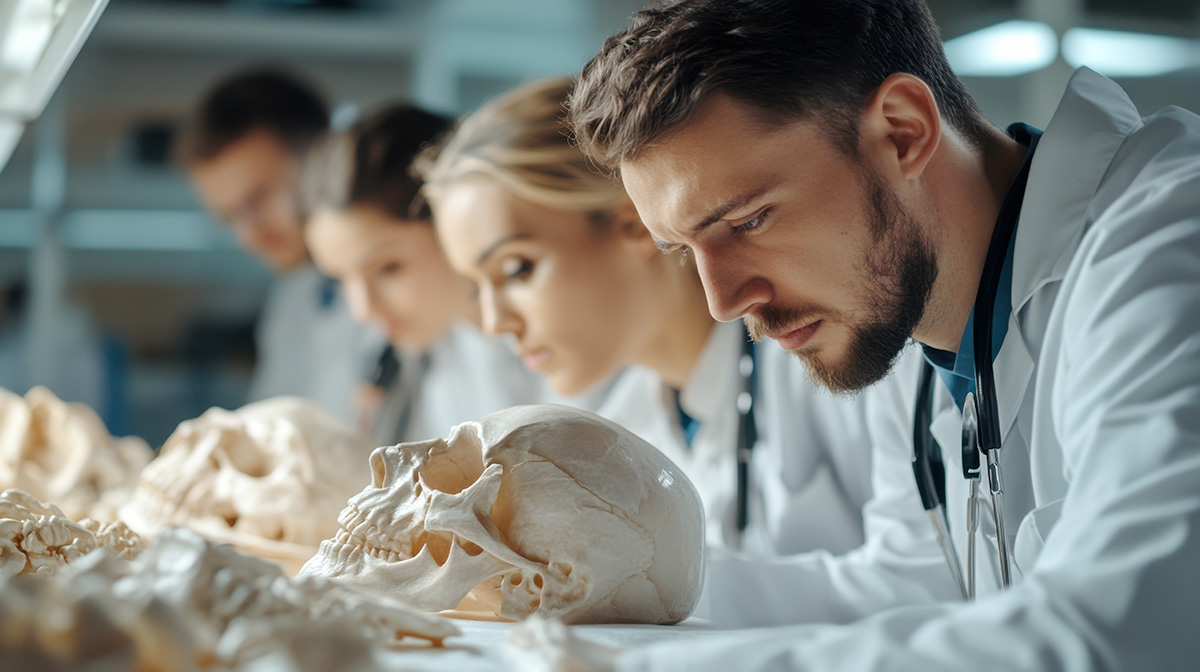
At Phaneuf Funeral Homes and Crematorium, we understand that planning for end-of-life wishes is both challenging and deeply personal. Whether you reside in New Hampshire or Vermont, it’s important to know the differences between body donation and organ donation and how each choice can impact your final arrangements and contributions to society.
Drawing on both longstanding information and fresh research, we’re here to help you make an informed decision that aligns with your values and wishes.
What Is Organ Donation?
Organ donation is perhaps the more widely recognized option, with many New Hampshire and Vermont residents indicating this choice on their driver’s licenses. When you donate your organs, you are giving life-saving tissues to those in need, yet your body remains with your family. This means that even after donating organs, you can still have a traditional funeral service and other memorial celebrations, ensuring that family traditions and personal goodbyes are honored.
What Is Body Donation?
Body donation, by contrast, involves donating your entire body to science. Although only about 2% of Americans opt for body donation, interest in this option is growing, especially in communities that value contributions to medical research and education. Here are a few key points to consider:
Donation Recipients:
Bodies may be accepted by:
Medical Schools: Bodies are often used for teaching anatomy and surgical techniques. In New Hampshire, recent data shows that about 70% of registered body donors are accepted, primarily limited by current needs rather than donor health.
Medical Research Firms: Bodies are utilized for research that advances medical science.
For-Profit Companies: Some companies repurpose donated bodies for uses including as crash test research and ballistic testing. Always review disclosures carefully to understand what these organizations may do with your body.
The Process and Aftercare:
After the designated period of study—which can extend up to two years—medical schools generally cremate the body and return the remains to the family. It’s important to note that, although many donors hear about “free cremation” benefits, these programs typically cover only transportation or processing fees. Families remain responsible for expenses related to obituaries, death certificates, memorial services, and other aspects of funeral planning.
Planning Ahead:
Not every body donation application results in acceptance. For example, medical schools can reject donations based on certain medical conditions or an oversupply of donors . That’s why it’s vital to have a backup plan, ensuring your final wishes are met even if your body is not accepted for donation.
Local Considerations for New Hampshire and Vermont
Both New Hampshire and Vermont have a rich tradition of supporting medical education and research. Here are some localized insights:
New Hampshire:
With about 70% acceptance for registered body donors, New Hampshire’s medical schools are a significant resource for medical students and researchers. The state’s commitment to advancing health sciences means that even if your body is not immediately needed, there is a strong infrastructure supporting donation programs. In New Hampshire, there is only one facility approved for accepting body donations, and that is Dartmouth’s Geisel School of Medicine.
Vermont:
While specific acceptance rates may vary, the state values contributions to science and medical education. Vermont residents considering body donation should contact local institutions for the most current criteria and opportunities.
Whether you are considering donating your body to science or registering as an organ donor, it’s essential to discuss your options with loved ones and, if necessary, a trusted advisor. Both choices reflect a commitment to the greater good—either by saving lives through organ donation or by advancing research and education through body donation.
How Phaneuf Funeral Homes and Crematorium Can Help
At Phaneuf Funeral Homes and Crematorium, we are dedicated to guiding families through every step of their end-of-life planning. We understand that each decision is unique, and we are here to ensure that your wishes—whether for a traditional service, cremation, body donation, or organ donation—are respected with compassion and care.
If you’re in New Hampshire or Vermont and have questions about how body donation might impact your final arrangements, or if you need assistance planning for a loved one’s memorial service, please don’t hesitate to reach out to our caring team. We’re committed to providing clear, up-to-date information and personalized support during life’s most challenging moments.
Making decisions about body or organ donation is a profound personal choice. With only about 2% of Americans choosing body donation, it remains a less traditional option—but one that offers meaningful contributions to medical science. Whether you opt for organ donation, ensuring life-saving interventions for others, or body donation, contributing to the advancement of medical research, the key is to plan ahead and understand your local options in New Hampshire and Vermont.


Twitter
LinkedIn
YouTube
Yelp